Costa del Sol: art on the coast
Automatically translated from Dutch. Read the original
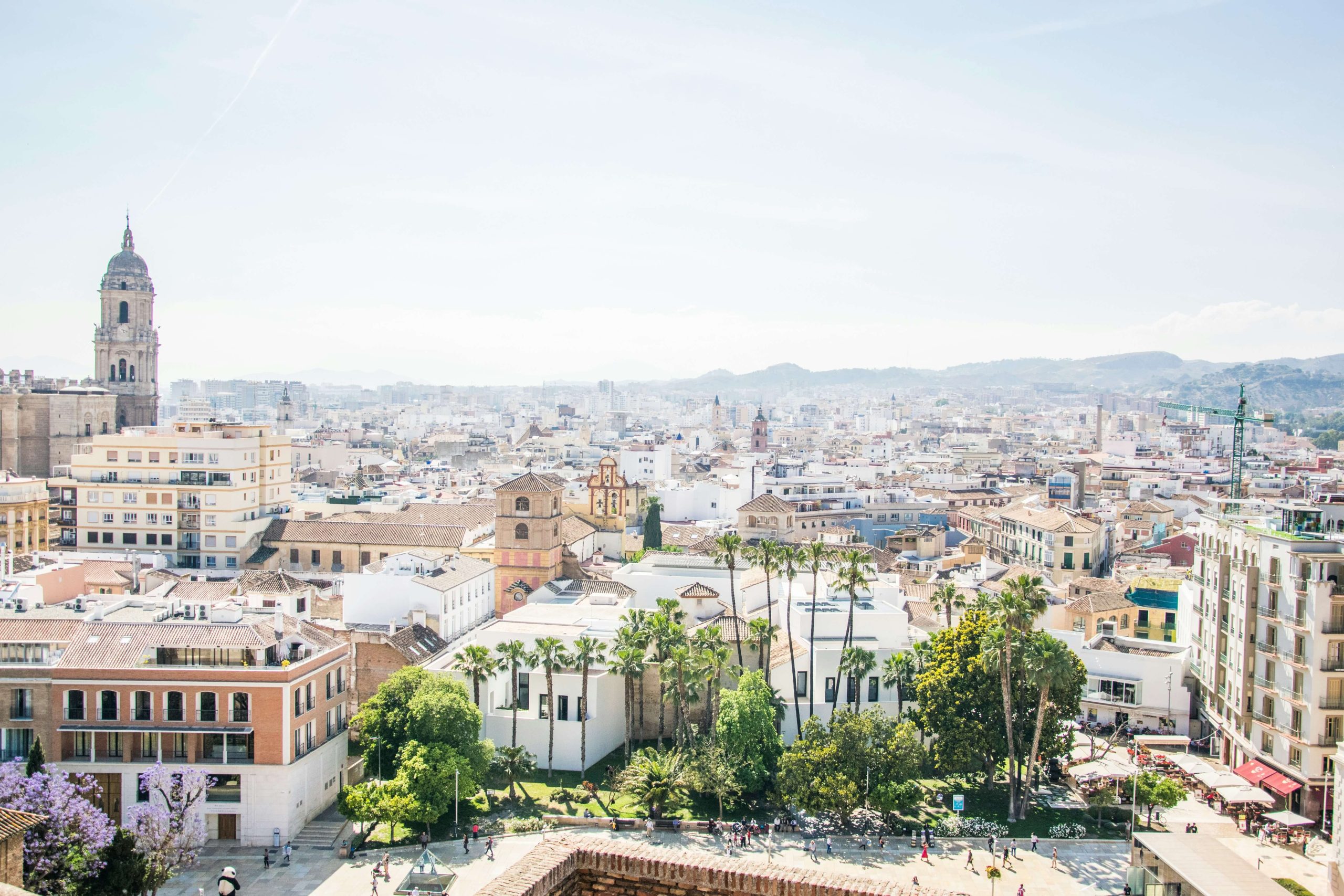
Anyone who thinks of the Costa del Sol thinks of sun, sea and sand. And that is certainly true! There is nothing wrong with enjoying a drink at one of the many beach clubs, or with strolling along the promenade of Puerto Banús in Marbella. But how about spending an afternoon soaking up culture in one of the many museums the Costa del Sol has to offer? With more than a hundred museums devoted to a wide range of themes and artistic trends, the Spanish province of Málaga has grown in recent years into a cultural hub that attracts visitors from all over the world. We would be delighted to tell you more.
Costa del Sol: art on the coast
Table of contents
- Málaga, the city of Picasso
- The Axarquía – a Costa del Sol region and its arts
- Bee Museum in Colmenar
- Olive Oil Museum in Mondrón
- Antequera, MAD museum
- Museum city Ronda
- The Bullfighting Museum
- Wine tasting in the museum
- Genalguacil, the museum village
- Palaeontological Museum, Estepona
- Pre-Columbian art in Benalmádena
- Museo Ralli in Marbella
- Centro de Arte Contemporáneo in Mijas
1. Málaga, the city of Picasso
There are quite a few museums to be found in Málaga, and their themes are very varied. They range from an automobile museum to a wine museum, and from the Museum of Russian Art to the Juan Breva flamenco museum. There is even a genuinely interactive music museum, the MIMMA. Every art lover will find a museum to suit them in Málaga.
The best-known and most-visited museum is the Museo Picasso, a tribute to the famous painter Pablo Picasso. This renowned 'Malagueño' was born on 25 October 1881 and lived in Málaga for only 10 years. You can find his birthplace at Plaza de la Merced 15, which today is also a small museum. Pablo spent his childhood in this house. Museo Picasso is built on the ruins of a Moorish palace and is located in an old Jewish quarter.
Museo Picasso collection
The collection covers all the styles and materials the painter experimented with. You will find works from the Rose Period and Cubism through to Neoclassicism and Surrealism, as well as his last works from the 1970s. There are also sculptures and ceramic pieces that he made on display.
2. The Axarquía – a Costa del Sol region and its arts
When visiting this region, a stop in the town of Nerja is a must. Here you will find the museum of the caves, with cave paintings and other archaeological remains. We also discovered that almost every village in the Axarquía has a museum of its own. For example, there is a Raisin Museum in Almáchar, the Museum of Antique Toys in Alfarnate and the Miniatures Museum in Torrox. But we have picked out the most “mouth-watering” museums for you.
3. Bee Museum in Colmenar
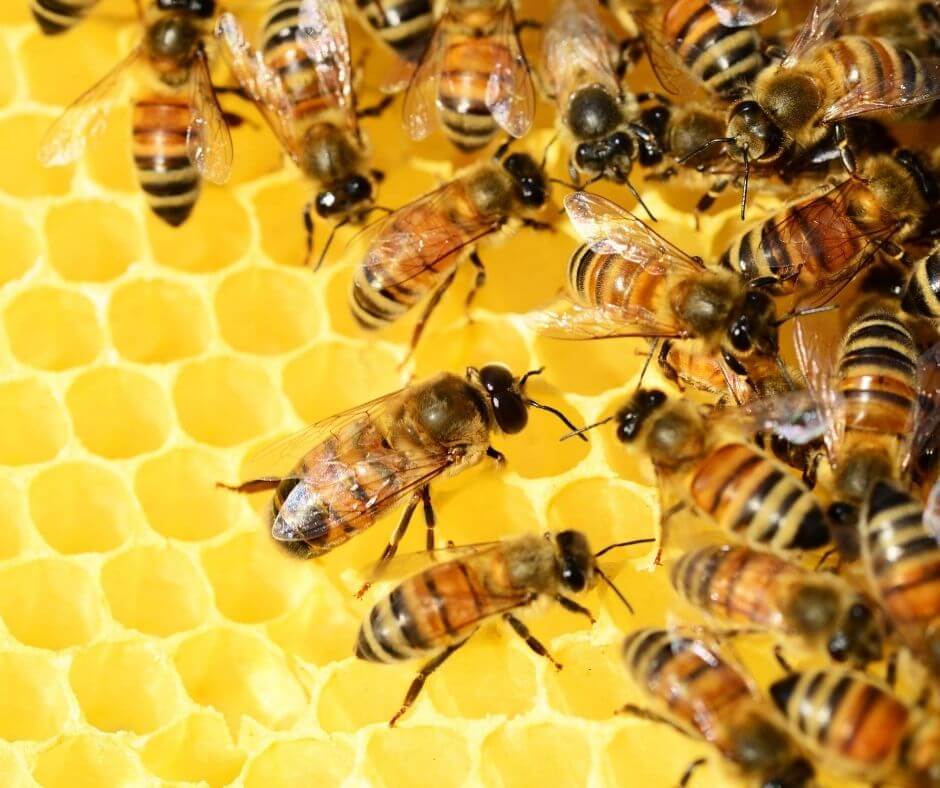
Colmenar, for instance, has a genuine honey museum. Step into the world of bees and beekeepers, and learn all about how the rich honey of Málaga is produced. Find out about beekeeping from 8,000 years ago to modern beekeeping today. You will also learn how the properties of bee products and beekeeping play an important role in protecting the environment. At the end of the tour you can even taste the honey! Fun for young and old alike.
4. Olive Oil Museum in Mondrón
The main source of income for Mondrón, in Periana, is olive oil. We have heard that the best olive oil in the whole of the Costa del Sol is made here! Next to the olive oil mill is the museum. Here you can discover everything about liquid gold, from olive to oil and which tools were used in the past and are used today. Naturally, you are also welcome to taste this delicious olive oil.
5. Antequera, MAD museum
The MAD museum, Museo De Arte De La Diputacion, the provincial government's art museum in Antequera, is absolutely worth a visit. The permanent collection comprises more than 300 works, ranging from the 19th century to the present day, along with various temporary exhibitions. The museum is divided over two floors. The ground floor houses modern art, while the first floor has more traditional Andalusian art. Be sure to take a look at the original staircase and the “wobbly” chandelier in the building.
6. Museum city Ronda
We continue with chapter 6 of Costa del Sol: art on the coast. Time for Ronda! Ronda has a rich culture, and one way to discover it is by visiting a museum. Learn more about classical and modern art and about local traditions. We found the following museums very interesting:
7. The Bullfighting Museum
Ronda is often regarded as the birthplace of modern bullfighting. The Real Maestranza bullring is one of the oldest and most beautiful arenas you will find in Spain. This magnificent building stands in the middle of Ronda. It was built in 1785 by José Martin Aldehuela, the same architect who designed the Puente Nuevo bridge. An audio tour is available here so that you can learn even more about the origins of bullfighting. There is also a wonderful collection of paintings, sculptures, textiles, tools and historical documentation to admire.
8. Tasting wine in the museum
This museum is located in one of the most beautiful houses in Ronda. In the 14th century, the house belonged to the Nasrid palace and it later became a winery. Wine is a very important product in Ronda. In the surrounding area you can also find a number of bodegas . In this museum you will learn all about this nectar of the gods. Here they show you how the grapes are picked and sorted and how wine is ultimately made from them. The best thing about this museum is that you can taste the wines here. On the wall there are dozens of small taps. With these taps you can pour your own drinks straight from the wall!

9. Genalguacil, the museum village
Genalguacil is also known as the “museum village”. It lies about 45 km from Ronda and is one of the villages in the mountain range of the same name. Every two years the municipality organises the “Encuentros del Arte” (art gatherings), which draw the most important contemporary artists. The pieces permanently placed in squares and streets make the village a true open-air museum. Many painters, sculptors, photographers and potters have already left their mark here.
10. Palaeontological museum, Estepona
In Estepona we find the municipal palaeontological museum. This museum is unique in the province of Málaga in the field of natural history. It houses an important collection of molluscs and invertebrates from the Pliocene found in Estepona. You will also find coral reef from the Upper Triassic, unique on the Iberian Peninsula. A collection of replica skeletons of Argentine dinosaurs from the Mesozoic, as well as a collection of fossils from the Miocene, is not to be missed either.
11. Pre-Columbian art in Benalmádena
For number 11 on our Costa del Sol: art on the coast list, we travel to the heart of Benalmádena, with its white houses and flamboyant streets, where you will find the Felipe Orlando Pre-Columbian Art Museum. Felipe Orlando-García Murciano was a prestigious anthropologist and artist. In 1968 he donated his collection of Pre-Columbian relics, comprising 137 historical objects, to the town hall of Benalmádena. He set only a few conditions: namely, that they would build a museum to house the precious pieces and appoint him deputy director and curator for life. You will also find some very ancient pieces here from, among other places, Mexico, Nicaragua and Peru.
12. Museo Ralli in Marbella
Museo Ralli in Marbella is a private institution located in the heart of the Costa del Sol. This building, of no less than 6,000 m², lies almost on the boulevard connecting Marbella and Puerto Banús. The museum opened in 2000 and houses part of one of the most important Latin American collections in the world. You will also find works by renowned European artists such as Salvador Dalí, Amadeo Modigliani and Rene Magritte.
13. Centro de Arte Contemporáneo in Mijas
Finally, we would like to draw your attention to the Centro de Arte Contemporáneo (CAC) in Mijas. The museum was inaugurated on 29 November 2013 and is managed by the Fundación Remedios Medina. It is housed in a building made up of two 19th-century houses, which have been completely renovated. The council of Mijas wanted a permanent exhibition of ceramic works by Picasso. In addition, the Dalí exhibition was inaugurated on 14 February 2017, and, like the Picasso one, it can be visited permanently.
Thank you for reading Costa del Sol: art on the coast.
For more information about the Costa del Sol, take a look at our full blog. Or choose one of the links below to keep reading!
- Are you planning a trip to the Costa del Sol during the Easter holidays?
- Hidden gems and sights of Marbella and the Costa del Sol
- Benalmádena
- Málaga