Costa del Sol holiday homes: everything you need to know
Automatically translated from Dutch. Read the original
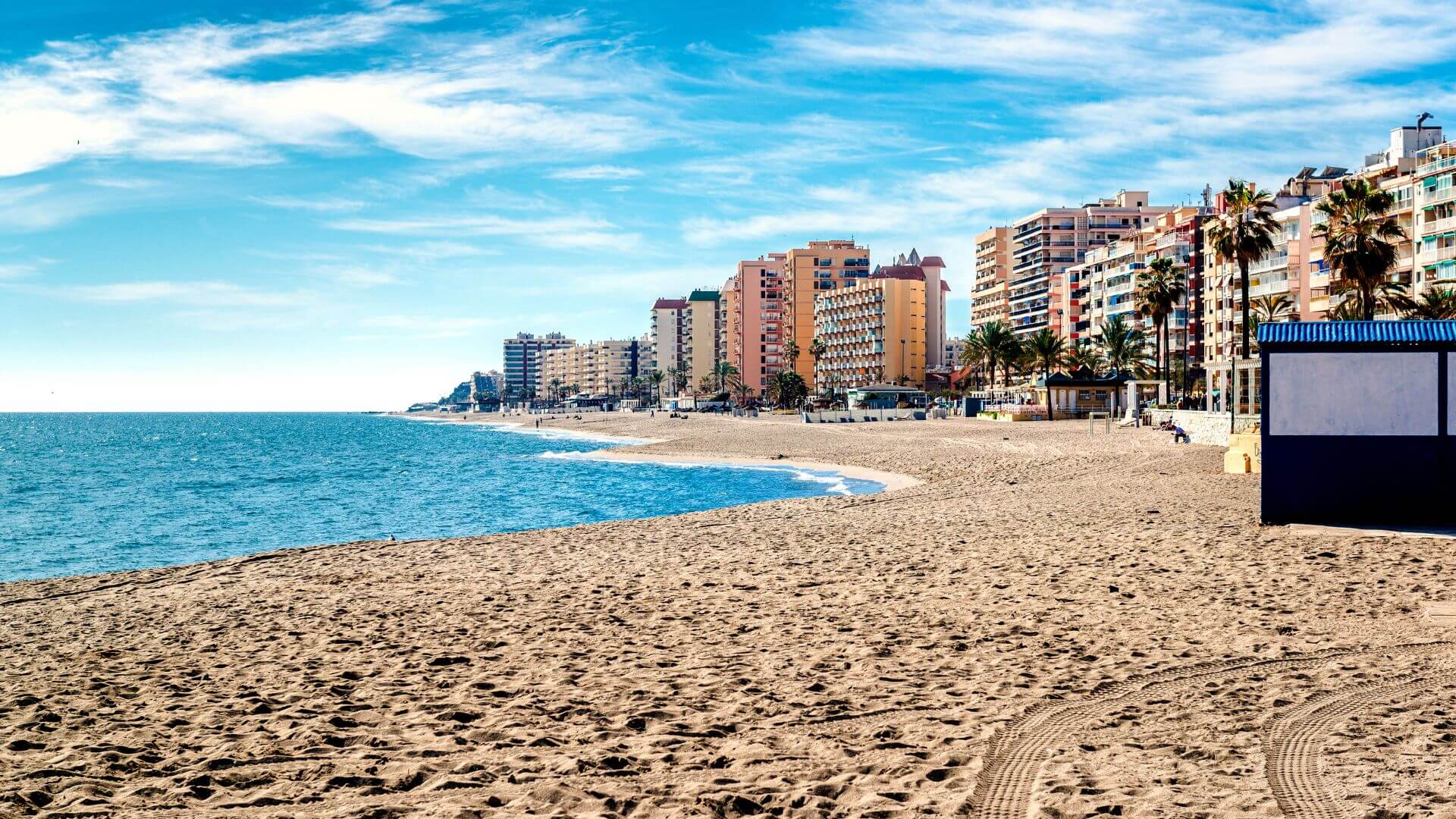
With more than 300 sunny days a year, the Costa del Sol is an ideal destination for holiday homes if you are looking for a carefree holiday in the Spanish sun. This beautiful stretch of coast, which runs for 300 kilometres, offers a subtropical climate and golden sandy beaches, making it the perfect setting for an unforgettable stay.
The region is also known for its rich cultural history, shaped by the Romans, the Moors and the Spanish empire. From large cities such as Málaga and lively seaside resorts such as Marbella, Fuengirola and Torremolinos to charming spots like Estepona and Nerja, there is something for everyone. The area also offers a varied choice of accommodation, from child-friendly apartments to luxury villas with private pools, with prices from €42 per night.
Popular areas on the Costa del Sol
The Costa del Sol stretches along the southern Spanish coast, where a range of fascinating destinations awaits holidaymakers. From bustling seaside resorts to authentic mountain villages, each location has its own unique character to offer the perfect holiday home.
Lively coastal towns from Málaga to Estepona
The coastline between Málaga and Estepona is the beating heart of the Costa del Sol. Málaga, the capital of the region, offers plenty of culture and beautiful beaches. Torremolinos, once a modest fishing village, has grown into a popular seaside resort with 6 kilometres of golden sandy beaches. In recent years the town has undergone a thorough modernisation, with a car-free centre and renovated promenades.
Benalmádena, which borders Torremolinos, offers a pleasant mix of liveliness and tranquillity. The Moorish-style marina attracts many visitors, while the authentic Benalmádena Pueblo, in the foothills of the Sierra de Mijas, retains a village atmosphere.
Fuengirola is characterised by a lively atmosphere, with 8 kilometres of beach, prestigious golf courses and a vibrant cultural life. Marbella, on the other hand, is known as a chic seaside resort with the luxurious marina of Puerto Banús and a charming historic centre. Estepona is growing fast and is known for its beautiful streets and squares, adorned with an abundance of flowers.
Authentic villages in the interior
Less than ten kilometres from the coast, a completely different world unfolds, with characteristic white villages. A drive along the Pueblos Blancos offers an authentic Andalusian experience. The picturesque Mijas, with its white houses and narrow streets, is a perfect example of these mountain villages.
The village of Ojén has kept its Moorish character and lies in beautiful, green surroundings rich in water. These inland locations are ideal for walkers, with the nearby Parque Natural Sierra de las Nieves offering excellent hiking opportunities. Ojén also lies just north of chic Marbella, which makes for the ideal mix of peace and quiet and lively city life.
Málaga and surroundings
Málaga, the largest city in the region, combines urban culture with relaxation by the sea. The city has urban beaches close to the centre and has become a popular city-break destination. The centre offers a mix of historic sights, such as the Alcazaba and the cathedral, alongside more modern attractions such as the Picasso Museum.
The area around Málaga is characterised by beautiful nature, with mountains, gorges and caves. For nature lovers there are countless ways to explore the region, from mountain hikes to visits to nature parks.
Different types of holiday home
The Costa del Sol offers a varied choice of holiday accommodation, from affordable apartments to luxurious villas. There are also properties available from €42 per night, so there is a suitable option for every budget.
Beach apartments
Beach apartments are a popular choice for holidaymakers who want to stay close to the sea. These properties are mainly found in well-known seaside resorts such as Marbella, Fuengirola, Benalmádena and Torremolinos. Most complexes have communal facilities such as swimming pools and gardens.
Many apartments offer modern conveniences such as:
Fully equipped kitchens with a dishwasher
Air conditioning
Private terrace or balcony
Parking space for hire cars
Villas with a private pool
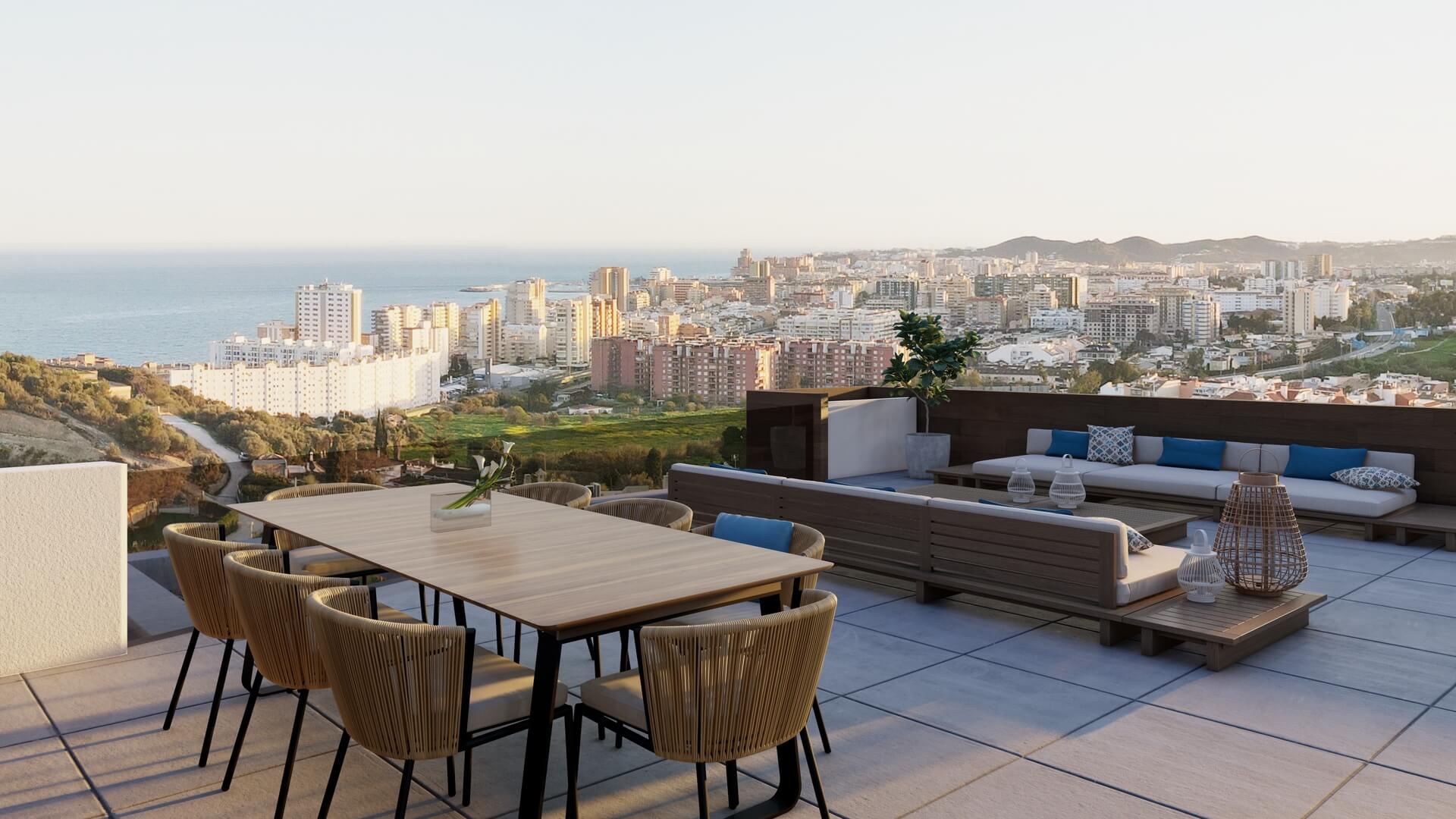
For those who want more privacy and space, there are plenty of villas available. These luxury holiday homes often come with their own swimming pools and offer panoramic views over the Mediterranean. The villas vary in size and are suitable for both small and large groups.
Many villas have additional features such as outdoor kitchens, barbecues and several terraces. They are also usually strategically located close to golf courses and unspoilt beaches.
Traditional Spanish cortijos
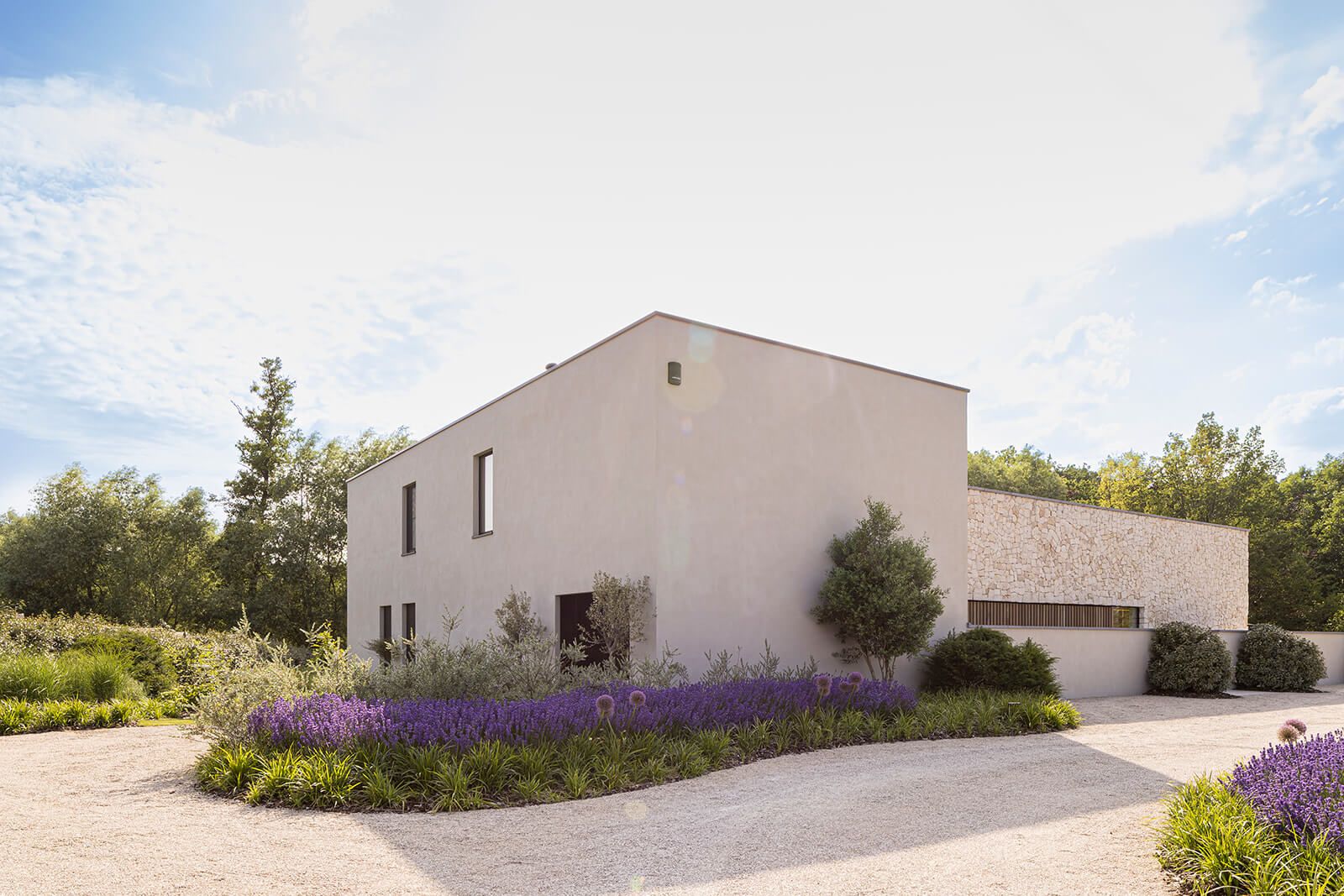
A particular type of accommodation is the cortijo, a traditional Andalusian country house. These authentic retreats are often found inland and offer a unique combination of rustic charm and modern comfort. Cortijos are generally renovated farmhouses from the 17th or 18th century that have retained their original architecture.
These rural holiday homes are ideal for those who wish to experience the authentic Spanish atmosphere. They often have spacious terraces, courtyards and sometimes even their own olive groves. Prices for cortijos range from €450 to €6,500 per month, depending on size and location. One drawback is that they are often further away from amenities.
Best Time for a Holiday Home
The subtropical Mediterranean climate makes the Costa del Sol the warmest region in Europe, which is why holiday homes here are in demand all year round. However, to make the most of your holiday, it is important to choose the right time of year.
High season vs. low season
July and August are the absolute peak season on the Costa del Sol. During these months, many Spaniards head to the coast to cool off. Temperatures can climb above 30 degrees, but thanks to the refreshing sea breeze it remains more pleasant than inland.
The shoulder season falls in May, June and September. These periods are particularly well suited to an active holiday. September also still offers the chance to swim, as the sea remains pleasantly warm after the summer.
The low season runs from October to April. Although it is quieter with tourists, there is still plenty to do. The winter months are especially popular with Northern Europeans who prefer the mild temperatures to the cold back home.
Price differences by period
Prices for holiday homes fluctuate considerably throughout the year. Statistically, August is the most expensive month, while November is the cheapest period for accommodation.
There are also clear price differences when hiring a car:
February: on average €31 per day
July: on average €44 per day
For those travelling on a budget, the low season offers interesting opportunities. The weather in September and October is also still pleasant, while the crowds are already noticeably thinning out. The best period for a beach holiday is between June and mid-September, with a minimal chance of rain and temperatures between 25 and 32 degrees.
In addition, the Costa del Sol has a few specific peak periods, such as the week before Easter (Semana Santa), when the region is especially popular. For golf enthusiasts, spring is ideal, when temperatures are pleasant but not yet too hot.
Practical Tips for Renting Holiday Homes
For a worry-free holiday on the Costa del Sol, it is essential to make the right preparations when renting a holiday home. There are also a few practical points that deserve attention for an optimal stay.
Important amenities
When choosing a holiday home, it is wise to look at the essential amenities. Most properties have air conditioning, free WiFi and modern kitchens, but with older properties it is not unusual to come across rental apartments without a dishwasher. Many homes also offer spacious terraces where guests can enjoy the Mediterranean climate.
For families with children, there are child-friendly apartments available. Pet owners are also well catered for on the Costa del Sol, as many holiday homes are pet-friendly.
Transport and accessibility
Málaga-Costa del Sol Airport is the main gateway to the region. From here, there are several transport options:
The Cercanías train connects the airport with Málaga city and the coastal towns to the west
Buses run to the eastern part of the Costa del Sol
Taxis are available for direct transfers
For maximum freedom of movement, a hire car is recommended, especially for exploring the interior. Car hire is available directly at the airport or in the seaside resorts, and prices may differ between rental companies.
Booking and payment
To avoid disappointment, it is advisable to book early, especially in high season. Check the rental conditions carefully beforehand to avoid surprises. Pay particular attention to:
Any cleaning fees
Deposits
Additional service charges
Clear communication with the owner about arrangements and expectations is crucial. It is also worth checking that the holiday home has enough bed linen, kitchen utensils and other essential items.
Many owners now offer free cancellation and 24/7 customer service in several languages. The average price of a holiday home on the Costa del Sol is around €311 per night.
Conclusion: Costa del Sol holiday homes
All in all, the Costa del Sol offers a wide choice of holiday homes for every kind of traveller. From luxury villas in Marbella to authentic cortijos inland, this sunny stretch of coast has a varied range of properties available all year round.
Every region has its own character. Lively coastal resorts such as Torremolinos and Fuengirola draw holidaymakers with their golden beaches and buzzing nightlife. The white mountain villages, meanwhile, offer peace and authenticity, while the city of Málaga combines culture and beach perfectly.
In short, anyone looking for a holiday home on the Costa del Sol will always find a suitable time to go. High season guarantees summer beach fun, while the shoulder seasons are ideal for active holidays. Even in the winter months, the area remains appealing thanks to its mild climate.
Finally, the easy access via Málaga airport, together with excellent infrastructure and modern amenities, makes this region a carefree holiday destination for families and couples alike.
Looking for your own Costa del Sol holiday home?
Find our Costa del Sol holiday homes here >
FAQs about Costa del Sol holiday homes
Q1. What is the best time to rent a holiday home on the Costa del Sol? The best time depends on your preferences. July and August are high season, with the warmest temperatures, ideal for beach holidays. May, June and September offer pleasant temperatures and suit active holidays. The winter months are quieter and cheaper, with mild weather that appeals to Northern Europeans.
Q2. What types of holiday homes are available on the Costa del Sol? There is a wide range of holiday homes, from beachfront apartments to luxury villas with a private pool. Traditional Spanish cortijos (country houses) are also available inland. Prices start from €42 per night, so there are options for a variety of budgets.
Q3. How easy is it to reach holiday homes on the Costa del Sol? Most holiday homes are easily reached via Málaga-Costa del Sol airport. From there you can use public transport such as trains and buses, or hire a car for greater flexibility. A hire car is particularly handy if you want to explore the interior.
Q4. Are there child-friendly holiday homes available on the Costa del Sol? Yes, there are plenty of child-friendly options. Many apartments and villas offer facilities suited to families, such as swimming pools and spacious terraces. When booking, it is advisable to search specifically for accommodation described as child-friendly.
Q5. What are the key points to look out for when renting a holiday home on the Costa del Sol? Look out for essential amenities such as air conditioning and Wi-Fi. Check the rental conditions carefully, including any additional costs for cleaning or a deposit. Book in good time, especially in high season. Also consider the location in relation to the beaches, sights and transport links that matter to you.