Property project 'La Térmica' in Málaga approved for construction
Automatically translated from Dutch. Read the original
Estimated reading time: 3 minutes
The city council of Málaga has approved the “La Térmica” project. It has now completed all the procedures required to begin the work of site preparation, land reparcelling, urban development and construction.
The ‘La Térmica’ project in Málaga is about to become a reality. After six years of urban planning and administrative procedures, the city council has approved the urban development project in plenary session for one of the most emblematic and significant property developments on the Andalusian coast.
Following this procedure, the project takes an important step towards the start of construction. The only outstanding matter is the ratification of the reparcelling project by the municipal urban planning department, after it has already been approved by the sector's compensation board.
The owners of the project are the municipality of Málaga and Nueva Marina Real Estate (NUMA), a company formed by the investment fund Ginkgo Advisor SARL (80%) and Inmobiliaria Espacio (20%). They aim to begin the urban development works and the construction of the first residential neighbourhood in the second quarter of the year, with completion expected to take four years.
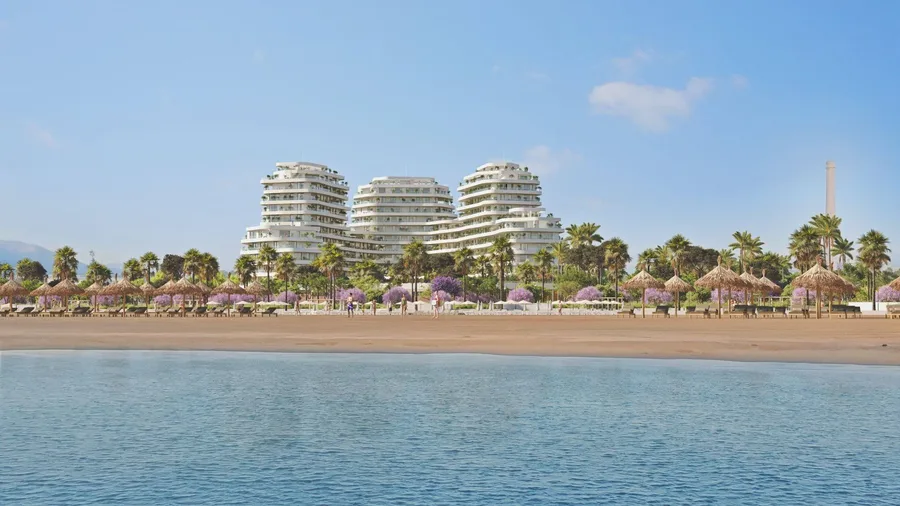
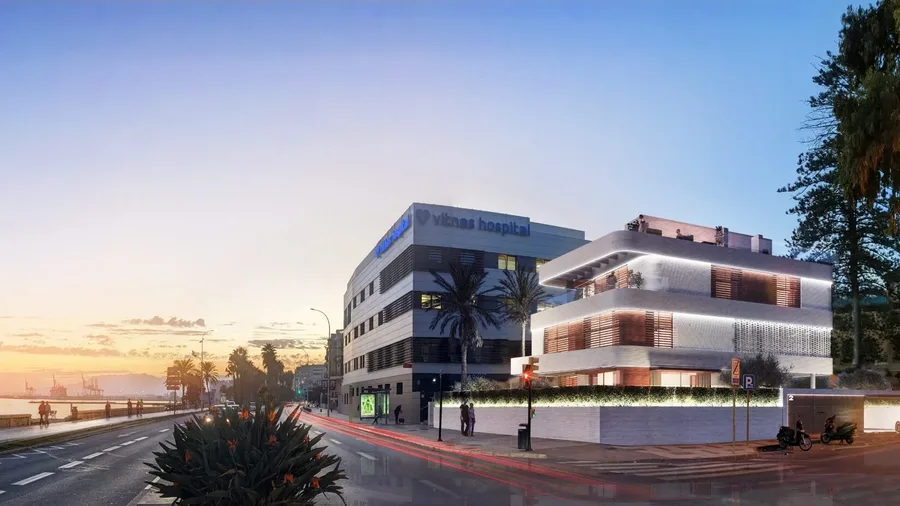
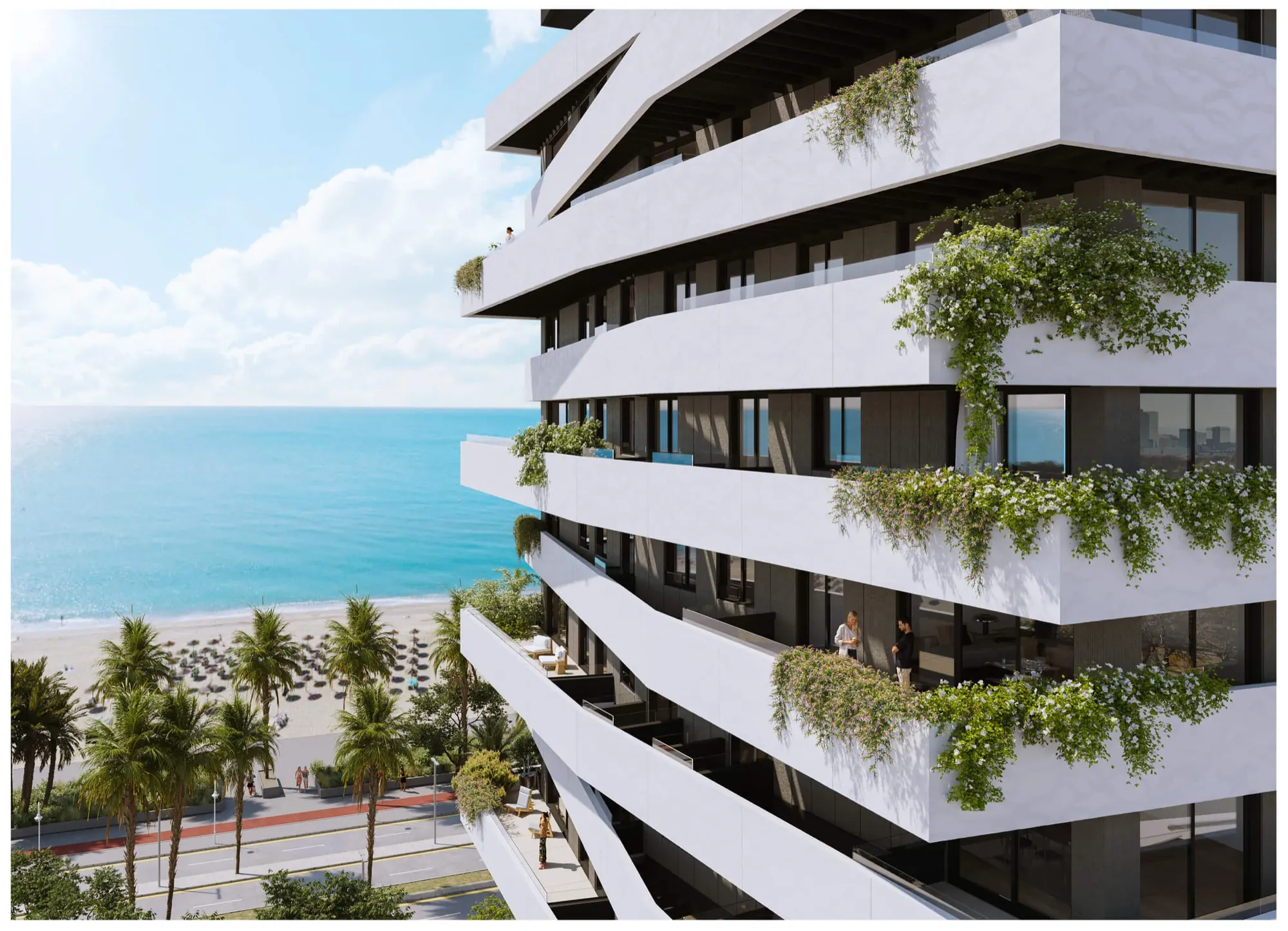
La Térmica will be one of the most important initiatives on the Costa del Sol (and in all of Andalusia). It covers a total area of almost 116,000 m² and will be used for multiple purposes, including the construction of 870 private and social housing units, a commercial space, offices, a hotel, public spaces and facilities. Around 80% of the sector's gross area (approximately 82,890 m²) will be reserved for open spaces for buildings and public use, including a new leisure area on the boulevard for the use of all citizens.
According to the project's initiators, the public-private partnership behind it aims to turn ‘La Térmica’ into a meeting place, not only for the residents of the area but for all the inhabitants of Málaga. It is also a representative example of the change the city is undergoing towards a modern, sustainable and digitalised urban planning model. With this aim, a traditional industrial area is being regenerated and adapted to the demographic and economic needs of the area, while promoting its sustainability and integrating ESG criteria.
The development of this project is estimated to create around 1,500 direct and indirect jobs, as well as considerable economic and social activity. Once construction is complete, the facilities in this new neighbourhood will also provide 600 new jobs.