Marbella: the old town and its history
Automatically translated from Dutch. Read the original
Marbella is not just sun, sea and sand. It has a beautiful promenade that stretches from historic Marbella all the way to the luxurious harbour of Puerto Banús. Along the promenade you will find a host of restaurants, shops and bars. But have you already visited the picturesque old town?
Table of contents
1. Plaza de los Naranjos
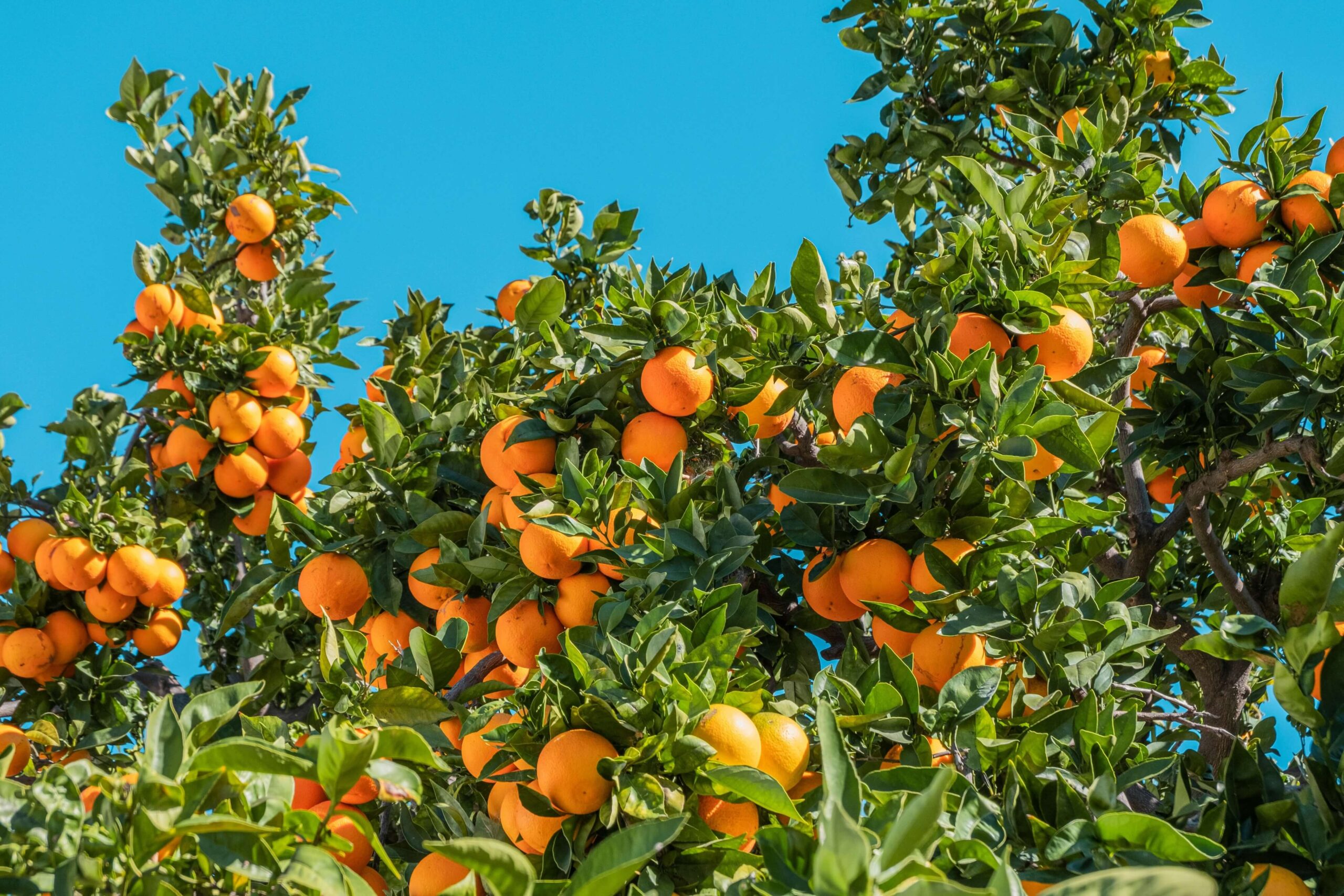
In the heart of the city you will find a stunning square full of orange trees: Plaza de los Naranjos, which translates into English as Orange Tree Square! Locally, however, it is known as the little orange square. The square was laid out after the Christian conquest in 1485. To build it, a number of old buildings of Islamic origin had to be demolished. This was important in order to give this part of the city some breathing space and so create a centre for administrative, economic and social power.
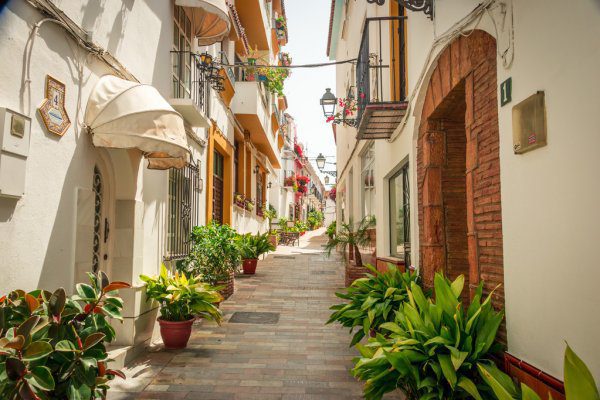
The walk to the square is an experience in itself. You pass through a maze of narrow streets and winding alleys full of small shops, old buildings and terraces. The atmosphere on the Orange Tree Square is relaxed and friendly, and sometimes there is even live music. The intense green of the orange trees stands out all the more against the white Andalusian buildings surrounding the square.
2. Historic buildings
The buildings around the Plaza de los Naranjos tell you a great deal about the history of the city. Take the town hall, Casa Consistorial, built in Renaissance style in 1568. On the outside of the building you can see a sundial and a coat of arms, as well as commemorative plaques in Old Spanish marking the conquest of the city in 1485 by King Ferdinand and his wife Isabella. This couple was also known as the Catholic Monarchs.
Next to the town hall stands the Casa del Corregidor (representative of the Crown). This stately house from 1552 stands out for its decorated stone façade with a triangular lookout point, combining Gothic and Renaissance elements. The ceiling was designed in Mudejar style and also features frescoes that have remained intact.
The Hermitage of Santiago is the city's oldest religious monument. It seems to date from the 15th century, just after the conquest of the city by the Catholic Monarchs in 1485. The hermitage was previously an Arab mosque. This beautiful chapel lies just a stone's throw from the little orange square. Its architecture is simple, with just a single (rectangular) nave. The chapel is the headquarters of the Cofradia del Santisimo Cristo del Amor, an important religious brotherhood. The chapel's main statue is that of San Juan Bautista, made by the circle of Mariano Benlliure, and it was later taken over by the Archicofradia de la Expiracion of Malaga.
3. Narrow shopping streets
Around the Plaza de los Naranjos you will find the typical Spanish streets where you can happily wander past galleries, plenty of chic shops and boutiques, artisan stores and, of course, terraces and restaurants. So whether you are looking for a pair of handmade espadrilles (Spanish sandals) or a vintage handbag, you are sure to find what you are looking for here!
Not in the mood for shopping? The narrow streets are an attraction in themselves. Colourful flowers in cheerful pots hanging on the walls, freshly washed linen drying in the air, or an elderly couple sitting chatting contentedly on the front of their house.
4. Where to eat well?
After admiring all this beauty and buying the necessary gifts for the folks back home, it is time to catch your breath at one of the many restaurants that “old town” Marbella has to offer.
One of our personal favourites is Garnacha Restaurante Tapería Gastronómica. This artistic restaurant not only has a variety of art hanging on the walls, but the presentation of the plates is also a work of art in itself. As well as the à la carte menu, they also serve a tasting menu with matching wines. Well worth a visit!
On the little orange square you will find the restaurant Casa del Corregidor. This restaurant has belonged to the Rivera Liébana family for almost 100 years. Some family members were even born in this characteristic building at number 6 Plaza de Los Naranjos. Here you can enjoy delicious authentic Spanish dishes. How about a delicious sopa de ajos (traditional garlic soup with sherry) to start, followed by a delectable home-made paella with meat and fish?
5. And for a nightcap…
One more drink before bed? A cosy bar is Patio Bar. It is tucked away in one of the narrow streets behind the little orange square. It has a small patio where you can enjoy an exotic cocktail or a delicious glass of tinto de verano (Spanish summer wine). Here you will find not only tourists but also plenty of locals. In short, a real must!
Still not had enough? Then pop into David’s Place. Exuberant decoration on the walls, music from every era and festive drinks make this a unique experience! And be sure to order the best Mojito in Marbella here. This bar stays open until the early hours.
Want to know more about the Costa del Sol? Keep reading
 The power of the technical architect in the snagging list
 The end of an era: ‘La Verja’ between Spain and Gibraltar is now history
 Hasselt Élégance
 Road Trip Paradise: The 8 Most Beautiful Drives on the Costa del Sol
 Offshore wind farm on the Costa del Sol: What you need to know about the ‘Nao Victoria’ project