Offshore wind farm on the Costa del Sol: What you need to know about the 'Nao Victoria' project
Automatically translated from Dutch. Read the original
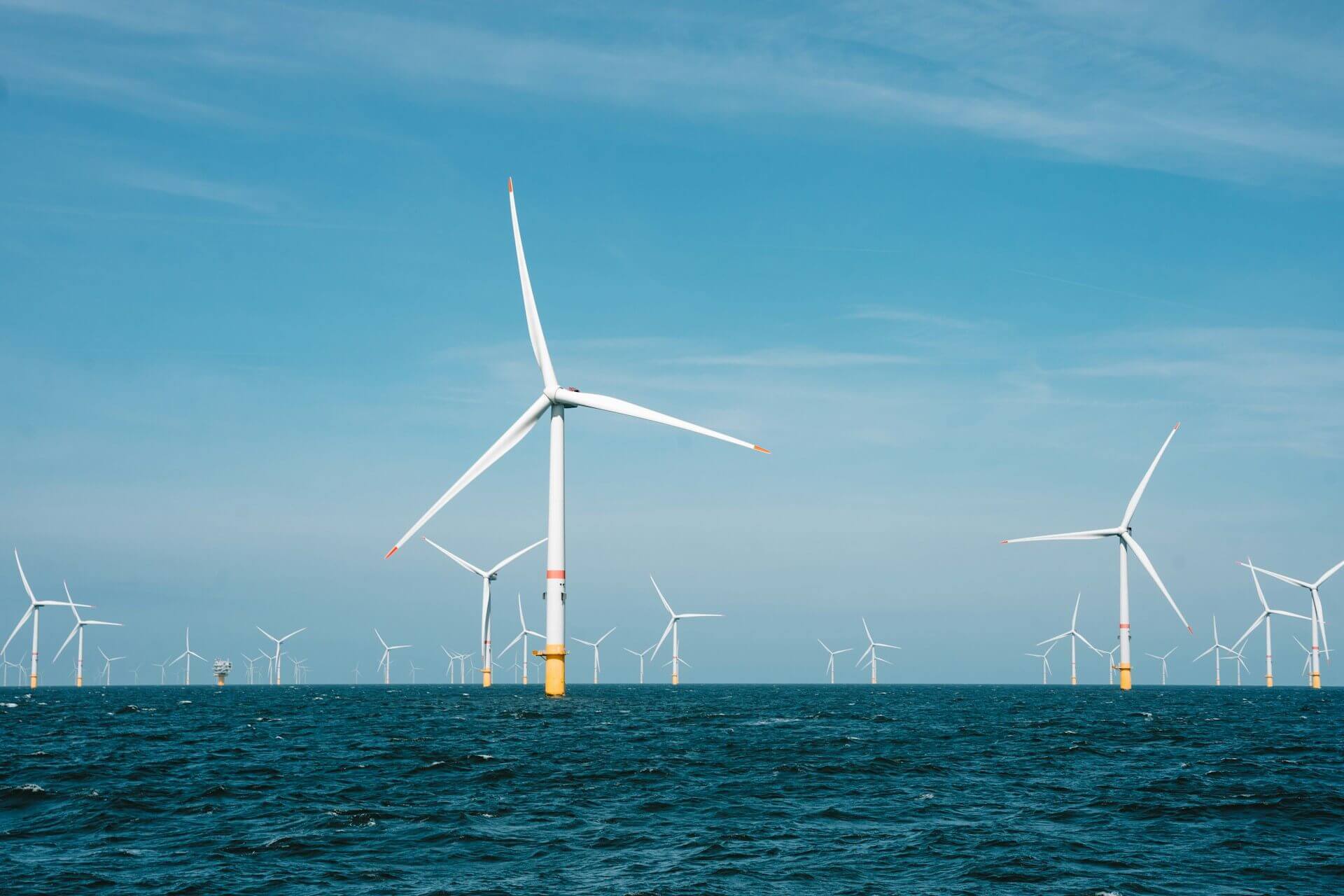
Nao Victoria: The plans for large-scale wind energy generation off the coast of Málaga and Cádiz are becoming more concrete. The project, known as Nao Victoria, is one of the most ambitious steps in Spain's energy transition. For the property market and the economy on the Costa del Sol, it marks an important turning point.
The technical facts at a glance
The project is being developed by a consortium of the companies Iberdrola and BlueFloat Energy. The main features are:
- Location: The wind farm is planned in the Alborán Sea, approximately 25 to 30 kilometres from the coastline between Marbella and Estepona.
- Capacity: With a targeted output of 990 MW, the farm could meet the electricity needs of hundreds of thousands of households.
- Technology: Because of the great depth of the water in the Mediterranean, floating wind turbines will be used, an innovative technique in which the turbines are not anchored to the seabed but rest on floating platforms.
Expected timing and phasing
Realising an offshore wind farm of this size is a long-term process. The project is currently in the crucial phase of environmental impact assessments and obtaining the necessary government permits within the Spanish POEM framework (Planes de Ordenación del Espacio Marítimo). Although the final dates depend on administrative approvals, actual construction and installation are not expected to take place until towards the end of this decade or the beginning of 2030. This phased approach gives the region time to adapt the port infrastructure and the electricity grid accordingly. At the time of writing this blog (February 2026), there is still no certainty that the wind farm will actually go ahead.
Impact on the region and the property sector
For the region and the local property market, several aspects will play a role in the coming years:
1. Visual impact and the horizon
One of the most discussed points is preserving the unobstructed sea view. Because of the curvature of the Earth and the considerable distance of at least 25 kilometres from the coast, the visual presence of the turbines from the beaches and homes will be reduced. For an adult standing upright, the horizon from the beach is roughly 4.5 km away. Anything beyond that therefore begins to 'sink away' behind the horizon.
2. Making the infrastructure more sustainable
The Costa del Sol is increasingly presenting itself as a modern, future-proof region. The presence of local, clean energy sources contributes to a 'green' image. This is a growing factor for international investors and buyers who value sustainability and a lower ecological footprint for their (second) home.
3. Economic stimulus
Realising a project of this size entails considerable investment. This translates into jobs in the ports of Málaga and Algeciras for construction and years of maintenance. An economically diverse region creates a more stable climate for property investment.
Environment and fishing
Besides the economic benefits, attention is also being paid to the ecological consequences. The Spanish government applies strict guidelines (the POEM plan) to minimise the impact on bird migration routes and the local fishing sector. The final design of the wind farm will have to meet strict environmental requirements before the definitive building permits are issued.
Conclusion
The 'Nao Victoria' project underlines the transformation of the Costa del Sol from a purely tourist destination into a region that invests in technological innovation and sustainable energy. For the property sector, this means further modernisation of the local infrastructure, while the natural beauty of the coastline is preserved as much as possible thanks to the generous distance from the turbines.